The Property Market for Foreigners
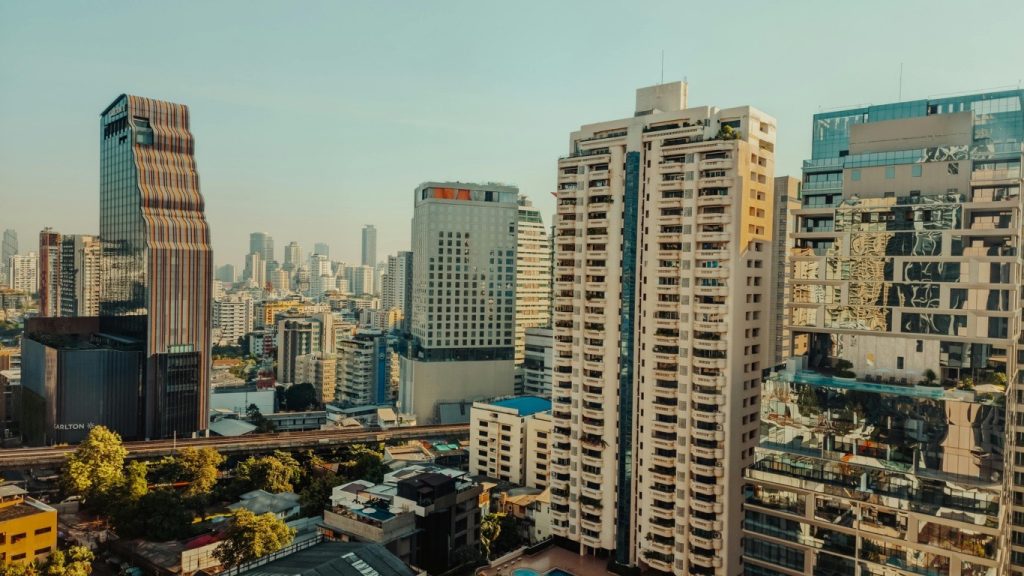
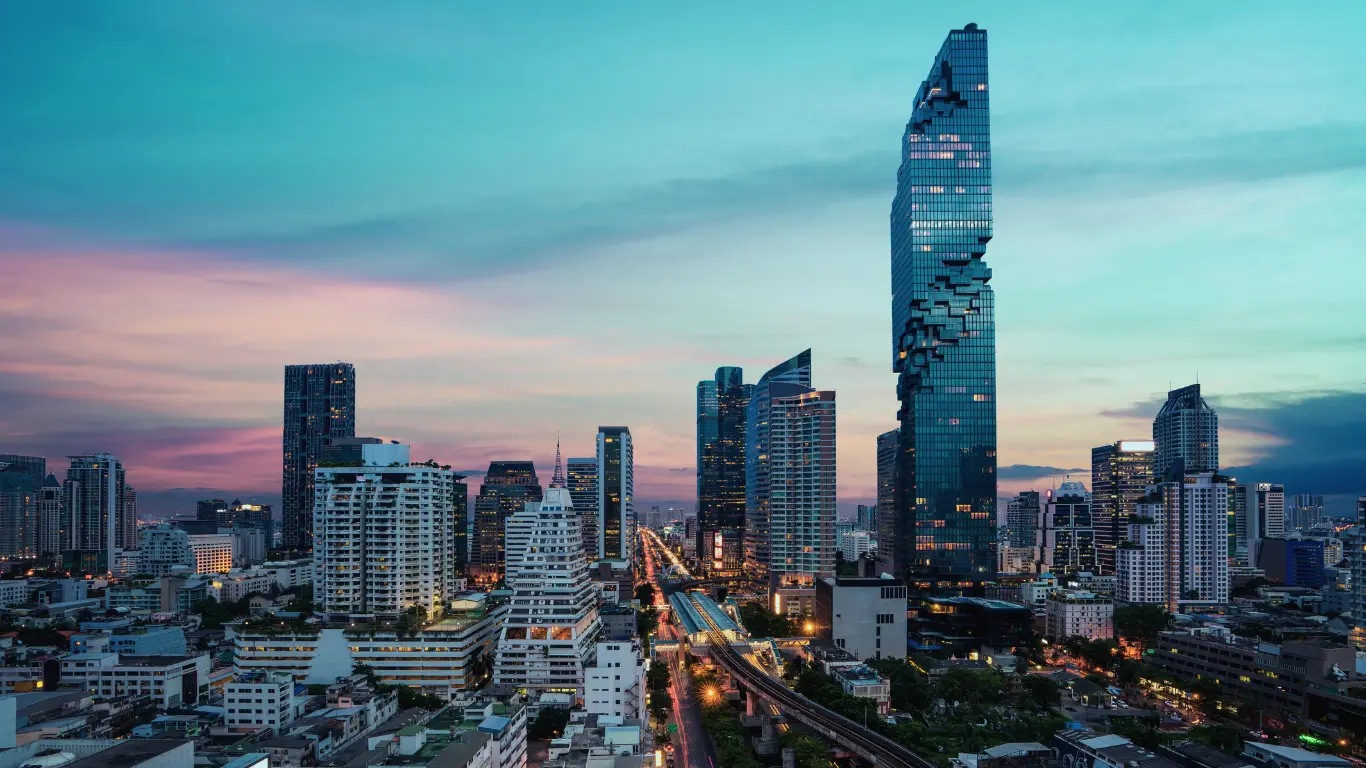
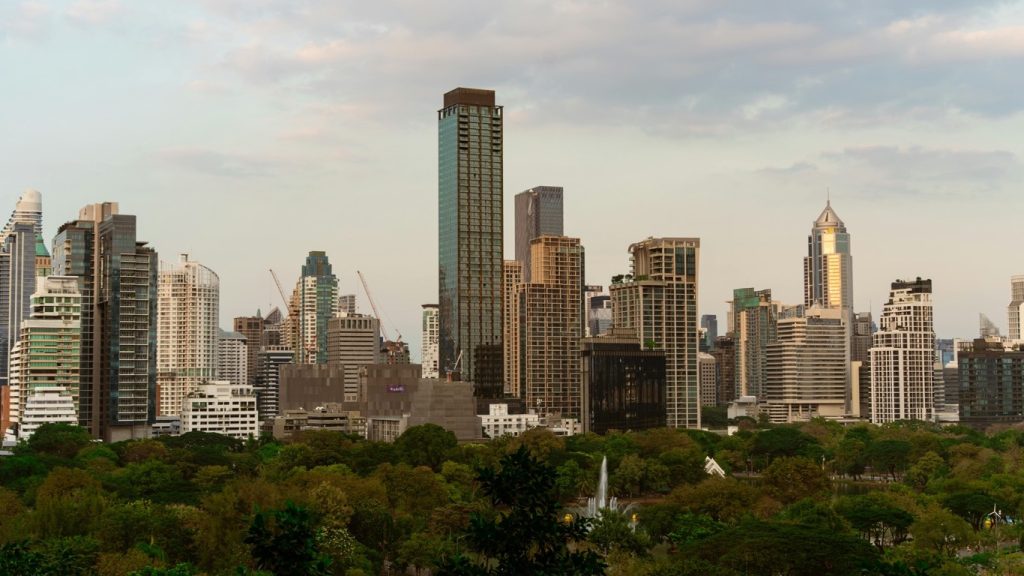
Thailand’s real estate market is attractive – especially Bangkok, Phuket, Pattaya, and Chiang Mai. But the rules are different from what you’re used to. Foreigners cannot own land. Period. What you can own, lease, or structure around that restriction is where it gets interesting.
Options
Three ways foreigners can hold property in Thailand.
Condominiums
Leasehold
Thai Company
Property Taxes and Fees
Buying property: 2% transfer fee (usually split buyer/seller), 0.5% stamp duty or 3.3% specific business tax (whichever applies), and withholding tax on the seller’s profit. Budget roughly 6-7% of the property price for transaction costs.
Owning property: land and building tax applies annually, though rates are low (0.01-0.7% depending on property use). Rental income is subject to personal or corporate income tax, plus VAT if you’re registered and your rental revenue exceeds 1.8 million baht.
Running a Real Estate Agency
Foreign-owned real estate agencies face Foreign Business Act restrictions since brokerage is a restricted service. Most foreign agents operate through Thai-majority companies. You’ll need a proper business license and should register with the Thai Real Estate Broker Association for credibility.
Accounting for real estate businesses involves tracking commissions, managing escrow-like arrangements, and handling the various transfer taxes on behalf of clients. We work with several property companies and understand the unique accounting requirements of this industry.